
We sharpen any kind of machine blade or knife for any usage at Carolina Knife & Manufacturing. Our industrial blade sharpening unit can handle almost every sharpening job. Learn more about our industrial knife sharpening services and contact us to get a quote for your project.


Industrial knife sharpening is a process that is used to maintain the sharpness of knives in a factory or industrial setting. There are many different types of industrial knives, and each one needs to be sharpened in a specific way. In today's blog post, we're providing a general overview of the industrial knife sharpening process and the types of industrial knives we sharpen at our facility. Continue reading to learn more, and if you'd like a quote for our services, contact our team today.

Why Do Knives Need To Be Sharpened?
Knives need to be sharpened for two main reasons. First, a sharp knife is more effective at performing its intended purpose. Second, a sharp knife is safer to use than a dull knife. A dull knife requires more force to use, which increases the risk of accidents.
How Are Industrial Knives Sharpened?
Industrial knives are sharpened using a variety of methods, depending on the type of knife and the desired result. Some common methods include honing, grinding, and polishing.
- Honing - Honing is a process that uses a piece of abrasive material to remove metal from the edge of a knife. This method is typically used to maintain the sharpness of an already-sharp blade.
- Grinding - Grinding is a process that uses a rotating wheel to remove metal from the edge of a knife. This method is used to sharpen knives that are dull or have nicks in the blade.
- Polishing - Polishing is a process that uses a rotating wheel and polishing compound to remove blemishes and scratches from the edge of a knife. This method is used to create a sharp, smooth edge.
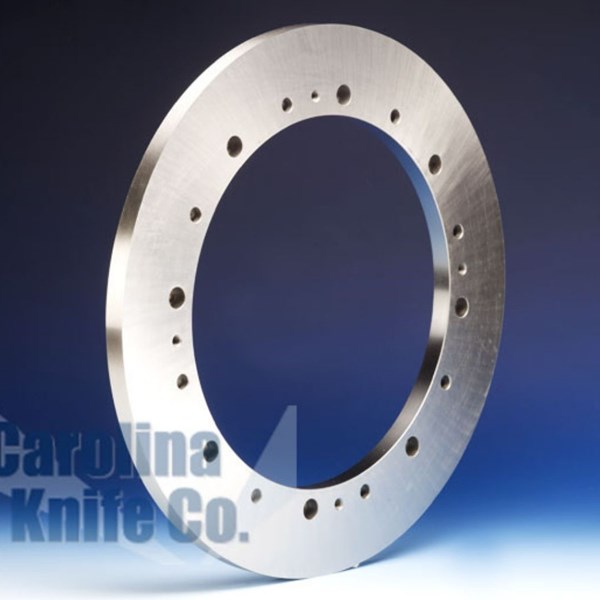

What Are The Benefits Of Industrial Knife Sharpening?
There are many benefits of industrial knife sharpening. First, it helps to improve the safety of the workplace by ensuring that knives are always sharp. Second, it helps to improve the efficiency of the factory or industrial setting by ensuring that knives are always performing at their best. Finally, it helps to extend the life of knives by preventing them from becoming dull.
Types of Industrial Blades
Industrial knives come in a variety of shapes and sizes, each designed for a specific purpose. Some common types of industrial knives include:
- Scrapers - Scrapers are used for removing paint, varnish, and other materials from surfaces. They have a blunt blade that is set at an angle to the handle.
- Film Slitter Blades - Film slitter blades are used for cutting thin films of plastic or rubber. They have a curved blade specifically made for cutting through fine, slippery material.
- Textile Blades - Textile blades are used for cutting cloth and other materials. They have a serrated blade that is can cut through cloth without tearing the fabric.
- Tire And Rubber Cutters - Tire and rubber cutters are used for cutting tires and other materials. They have a sharp, square blade.
- Anvil Regrinding - Anvil regrinding is a process that is used to sharpen the anvil on a hydraulic press. It is typically used to maintain the sharpness of the anvil and improve its performance.

Common Causes of Blade Damage
There are many reasons why an industrial knife may become damaged. Some common causes of blade damage include:
- Hitting Foreign Objects - Hitting a foreign object can cause the blade to become bent, chipped, or broken.
- Wear and Tear - Normal wear and tear can cause the blade to become dull or nicked.
- Improper Sharpening - Improper sharpening techniques can cause the blade to become dull or misshapen.
- Using an inappropriate blade - Using the wrong blade for the job can cause the blade to become damaged.
- Chemical Damage - Exposure to chemicals can cause the blade to corrode or rust.
- Heat Damage - Exposure to heat can cause the blade to warp or melt.
Blade Inspection Process
The blade inspection process is used to ensure that knives are always in the best condition possible. This process typically includes the following steps:
- Visual Inspection - The first step is to visually inspect the blade for damage. Any damage, no matter how small, should be noted and repaired as soon as possible.
- Blade Testing - The second step is to test the blade to see if it is still performing at its best. This can be done by cutting a piece of paper or cardboard with a knife.
- Sharpening - If the blade is not performing up to standards, it may need to be sharpened. This can be done using one of the methods described above.
- Regrinding - If the blade is severely damaged, it may need to be reground. This can be done using a special grinding wheel that is designed for this purpose.
- Replacement - In some cases, the blade may need to be replaced altogether. This can be done by replacing the old blade with a new one or by repairing the old blade.
Get A Quote For Industrial Knife Sharpening Today
Knives are an essential part of any factory or industrial setting. By ensuring that your knives are always sharp, you can improve the safety and efficiency of your workplace. Contact a professional industrial knife sharpener at Carolina Knife & Manufacturing to get your knives sharpened today!