
Blog Posts
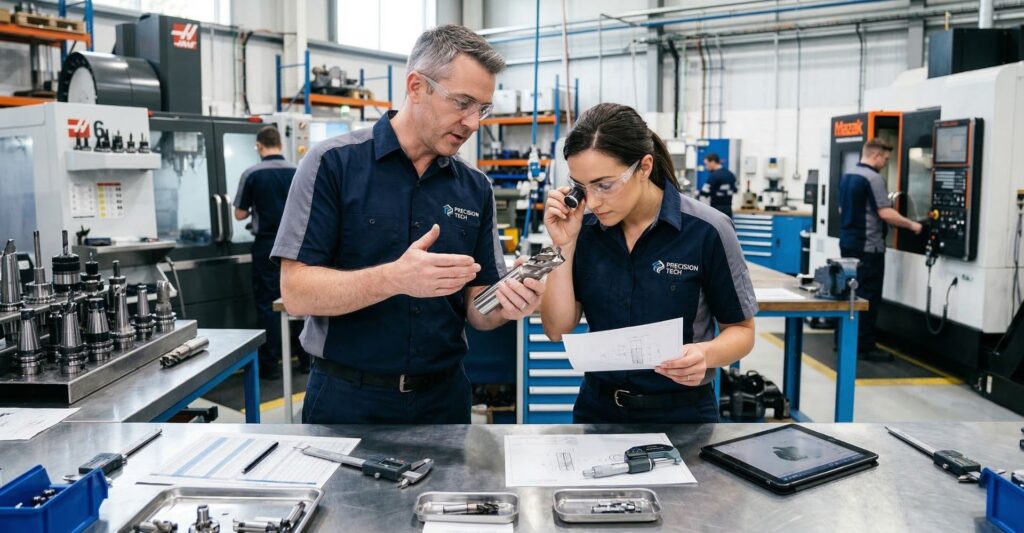
Beyond the Edge: The Critical Differences Between Everyday and Industrial Blades
While all blades are designed to cut, the gap between a standard utility knife and a professional industrial cutting tool is vast. For high-volume manufacturing, the distinction isn’t just about size; it’s about engineering for performance under extreme pressure. We understand that the right blade is the heartbeat of your production line. Material Composition and…
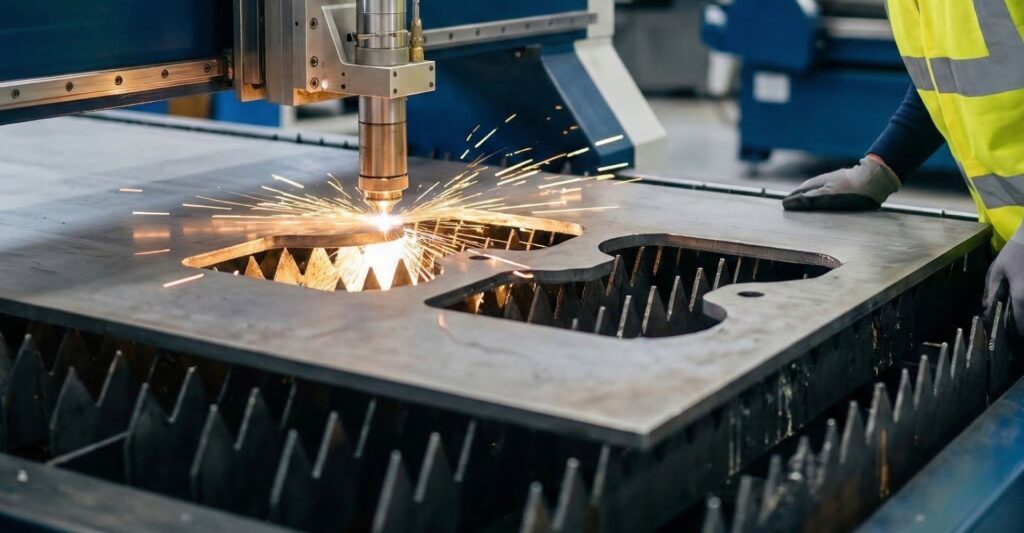
The Essential Steps of the Custom Blade Manufacturing Process
At Carolina Knife & Manufacturing, we understand that standard off-the-shelf tools don’t always meet the rigorous demands of specialized industrial applications. Whether you are cutting textiles, paper, or rubber, the efficiency of your operation often hinges on having a blade tailored to your specific machinery. Our team has refined a comprehensive custom manufacturing process that…
Top Industries Served by Carolina Knife & Manufacturing
At Carolina Knife & Manufacturing, we understand that precision is the heartbeat of modern production. For over 40 years, we have dedicated ourselves to crafting high-performance industrial blades that empower businesses to maintain speed, accuracy, and safety. Our commitment to American-made quality ensures that every cut contributes to a more efficient global supply chain. Tire…
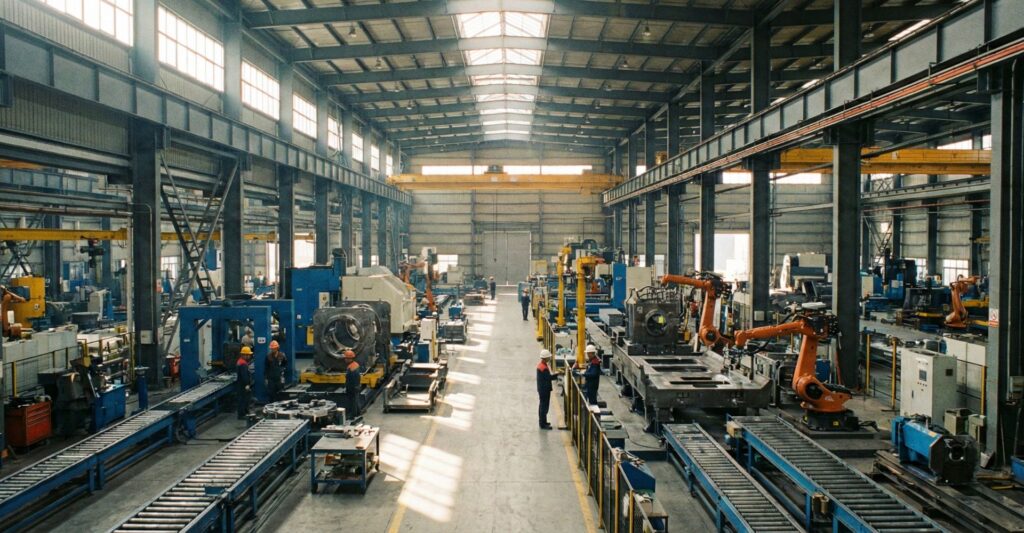
Why Quality Cutting Starts with the Carolina Knife Difference
For over 40 years, we have served as a cornerstone in the converting and processing industries, providing more than just high-quality tools. We understand that in a production environment, a blade is not just a piece of steel; it is a critical component of your operational efficiency. Our commitment to excellence defines every step of…
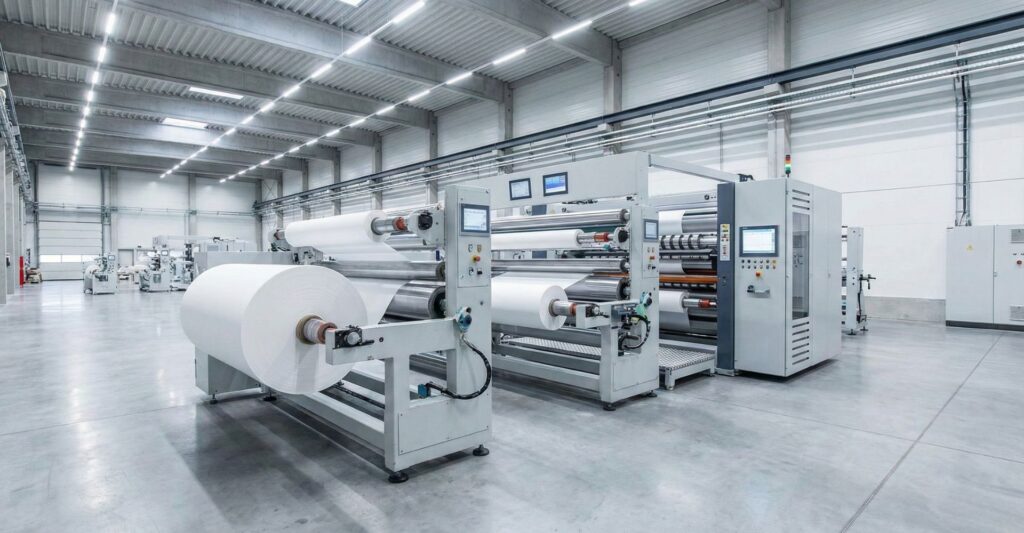
Score Cut vs. Shear Cut: Understanding the Differences in Industrial Slitting
Slitting is a fundamental process in the converting industry, yet choosing the right method is often challenging. Understanding the nuances between score cutting and shear cutting ensures optimal performance and edge quality. We are here to help you navigate these distinct techniques to find the best solution for your materials. The Mechanics of Score Cutting…
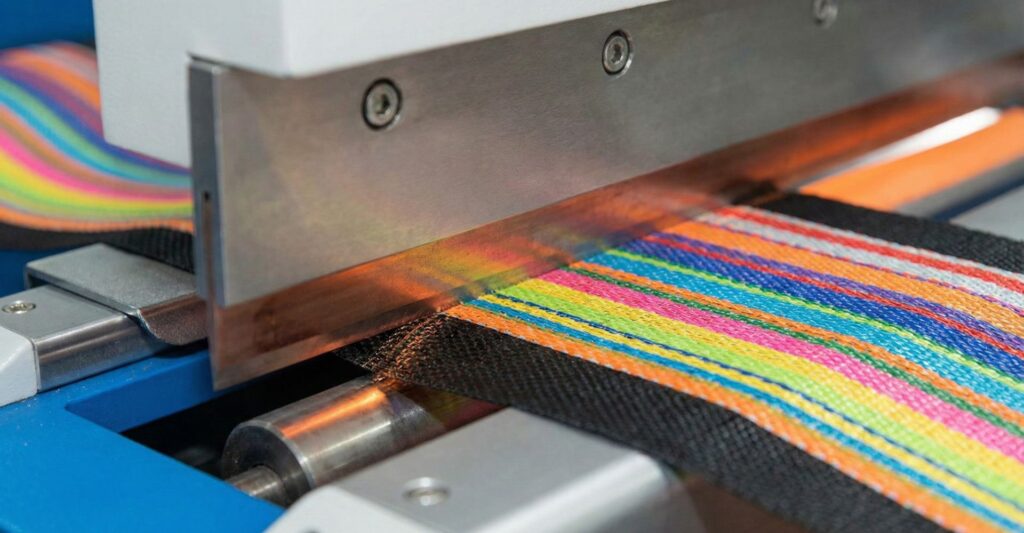
The Science of Sealing: How Hot Knives Prevent Fraying in Synthetic Fabrics
Synthetics and woven textiles present a unique challenge in manufacturing: the tendency to unravel immediately after being cut. Without the proper intervention, these loose fibers can destroy product integrity and aesthetics. By utilizing hot knife technology, manufacturers can cut and seal materials simultaneously, ensuring a durable, professional finish that withstands rigorous use. Understanding the Fraying…
Troubleshooting Your Circular Blades: 4 Signs Your Knife Needs Sharpening or Replacement
At our core, we understand that precision and efficiency are critical in your operations. When a circular knife blade begins to fail, it can impact everything from product quality to production speed. Recognizing the early warning signs is key. That’s why we’ve outlined the top indicators that your industrial knives may need professional attention. Declining…
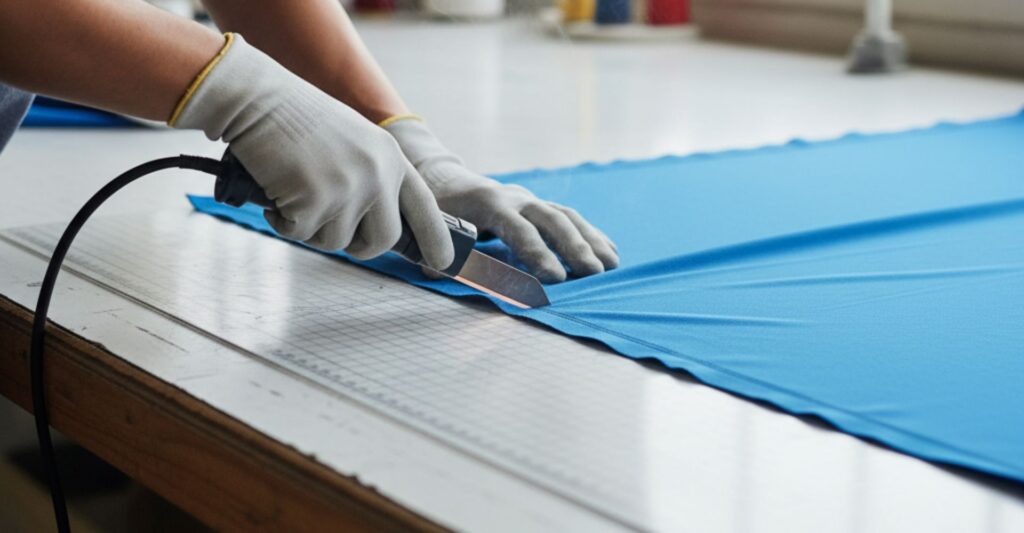
4 Common Mistakes to Avoid When Cutting Synthetic Fabrics (And How a Hot Knife Fixes Them)
Cutting synthetic fabrics like nylon, polyester, and polypropylene presents unique challenges. Unlike natural fibers, these materials are plastics. Using the wrong industrial knives or techniques can lead to costly errors, wasted material, and a lower-quality end product. We often see manufacturers struggle with the same issues, but fortunately, the solution is often straightforward. Fraying and…
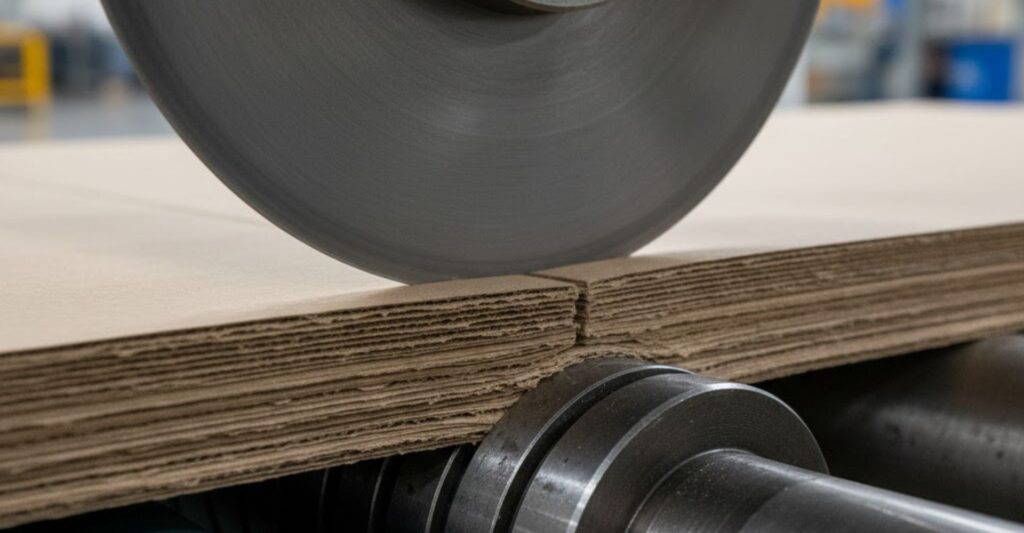
Score Cut vs. Shear Cut: Choosing the Right Circular Slitter Knife for Your Material
In the converting industry, the method we use to slice materials dictates the quality, speed, and efficiency of your entire process. When dealing with flexible or continuous materials, the choice of slitting method—specifically between score cut and shear cut—is critical. Selecting the wrong technique or circular knives can lead to material waste, reduced blade life,…
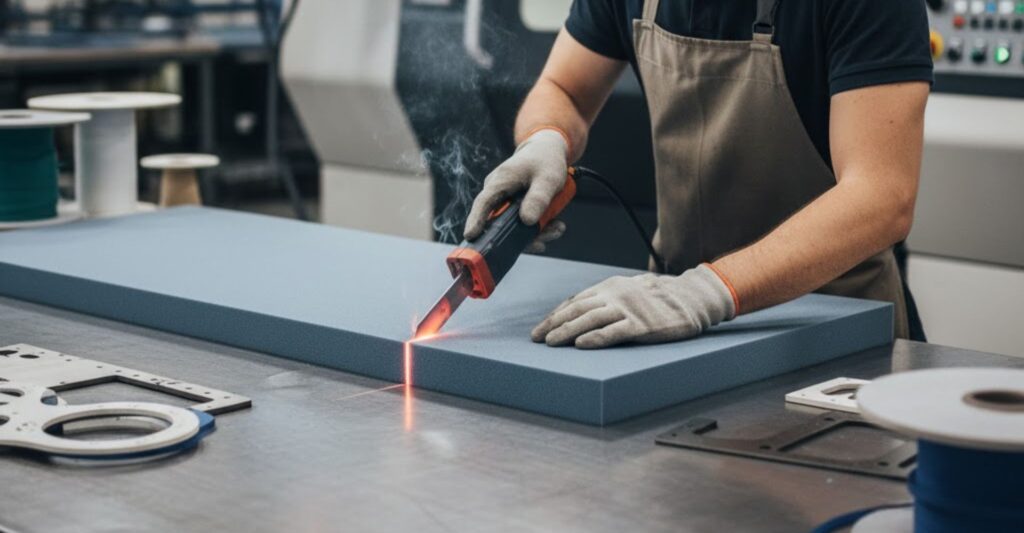
Choosing the Right Wattage: 90-Watt vs. 140-Watt Hot Knife Assemblies for Industrial Use
In industrial material processing, achieving a clean, sealed edge on synthetic materials is vital for product quality. Hot knife assemblies—essential industrial knives—are the solution, utilizing heat to cut and prevent fraying in one pass. However, the performance hinges on selecting the correct wattage. We often see manufacturers struggle to decide between a standard 90-watt unit…